
Requesting a replacement component
Use the full kit model, batch reference, case position and a component photo to request the correct spare and confirm availability.
Send the kit model, purchase or batch reference, case position and a photo. Ask for the component code, compatibility with the kit revision, order quantity and availability.
Fitment and workshop setup
Which vehicle makes, models, and production years does this tool fit?
Match the full tool model to the engine or component, build year and original vehicle market. VT18743, for example, covers selected chain-driven Ford 1.0 EcoBoost applications. For a vehicle outside the published list, provide its build date, engine code and intended operation.
Which applications are specifically excluded?
Respect the scope stated for the model. VT18743 is listed for selected chain-driven applications, so its listing does not establish belt-service coverage. For an unlisted vehicle, send the tool suffix, engine code, market and repair procedure before purchasing for that job.
Is the tool suitable for use on the vehicle, or only on removed components?
Choose the setup specified for the job. An installed brake line needs space for the clamp and die, while a bench tool needs the removed line at the bench. For other tools, provide the full model, component position and available clearance if the published setup is unclear.
What additional tools, adapters, or workshop equipment are required?
Compare the kit list with the service procedure in two columns: supplied parts and workshop equipment. A listed adapter may still need a specific drive or supply. Send the tool SKU, available drive or equipment and the intended setup to resolve any missing item.
Kit contents and compatibility
What exactly is included in this kit?
VT18743 includes cam phasing tools, crank timing pins, flywheel locking components and a front-cover oil seal installer. For receiving inspection, use the contents list for the full kit and revision, including quantities. Send the kit ID and the disputed component if the delivery differs.
What are the differences between your standard and upgraded versions?
Compare the full codes and the two kit lists side by side. Mark each added or changed component and the repair task it enables. A suffix or higher piece count alone does not establish wider vehicle coverage.
Are extension kits or adapters available to expand coverage?
An extension must fit both the original tool interface and the new application. Supply the parent kit number and revision, proposed adapter number and target vehicle or component. Treat extra coverage as confirmed only when both connections are documented.
How should we compare tool kits when their component counts differ?
Compare kits by repair operation and required interface. Lay out the essential components side by side, then identify accessories, duplicates and any separately purchased fixtures. A higher count adds value only when it enables a task you need.
Can individual components be purchased separately?
Separate supply depends on the component and parent kit revision. Identify the part by its component ID or mark it on the kit layout. Include the full parent SKU and quantity so a replacement can be checked against the original interface.
Specifications and operating limits
What dimensions, tolerances, and working ranges apply?
Read values together with their units and purpose. VT01064C lists a gauge scale of 0–35 psi (0–2.5 bar). A gauge scale does not establish accuracy, permissible vehicle pressure or interface tolerance. For dimensional acceptance, identify the feature, nominal size and tolerance on your drawing.
Is the tool manually, pneumatically, or hydraulically operated?
Check the drive mode for the actual operation. A hand-operated test pump and a vacuum refill attachment can have different supply requirements even in one case. Provide the model, attachment and available supply if the operating instructions do not specify a match.
What materials and heat treatments are used for critical components?
VT13104 lists carbon steel and VT18743 lists forged steel construction. Neither description gives a component-specific heat treatment or hardness value. If acceptance depends on hardness, provide the component, test location, units and required range for verification.
What load or pressure limits apply, and under what conditions?
The limits that govern use are the equipment rating and the service procedure for the specific system. A gauge's upper scale mark is not permission to apply that pressure. If a rating is missing, identify the full SKU, component under test and intended setup before use.
Can this tool be used with an impact wrench?
Use an impact wrench only where the exact tool's instructions authorize impact drive. A square-drive fitting alone does not establish an impact rating. If unclear, send the model, drive interface and intended operation before applying impact.
What lubrication, maintenance, or storage does the tool require?
Use the maintenance instructions for the specific tool. Identify the moving joint, seal, thread or measuring element when checking lubrication or storage requirements. If the instructions are missing, send the model and revision before substituting a lubricant or service interval.
Warranty, spares and service
What warranty applies to this product, and what exclusions apply?
Warranty coverage depends on the quoted SKU, market and order terms. Before publishing a warranty to your own customers, obtain its start event, covered defects, exclusions and remedy. Include the model and sales market when requesting the applicable terms.
How do you assess defects and agree on replacements, repairs, or credits?
First establish the affected lot, observed failure and agreed specification. After the evidence review, record the authorized remedy, quantity and disposition in writing. Retain the units until any return, repair or disposal instructions are agreed.
Are replacement components available, and for how long?
Replacement supply is specific to the component and kit revision. Provide the parent SKU, part ID or marked layout and forecast demand. For a service commitment, obtain the agreed supply period and successor-part compatibility in writing.
Can you provide troubleshooting guidance or technical support?
Start with the instructions for the exact revision and identify the step that failed. Include the model, symptoms, vehicle or component, setup and photos. For a suspected unsafe failure, withdraw the affected tool from use pending review.
How are safety notices, corrective actions, and recalls handled?
Isolate the affected units and retain lot, carton and shipment records. Report the model, quantities, destinations, incident description and photos to info@viktec.com. The appropriate notice or corrective action depends on the affected batches and investigation.
What evidence is needed to submit a warranty claim?
Keep the tool, packaging label and proof of purchase together. Submit the full SKU, batch or carton ID, affected count, photos of the fault and a description of the job and operating conditions. Include the order number for traceability.
Repair applications
Related products
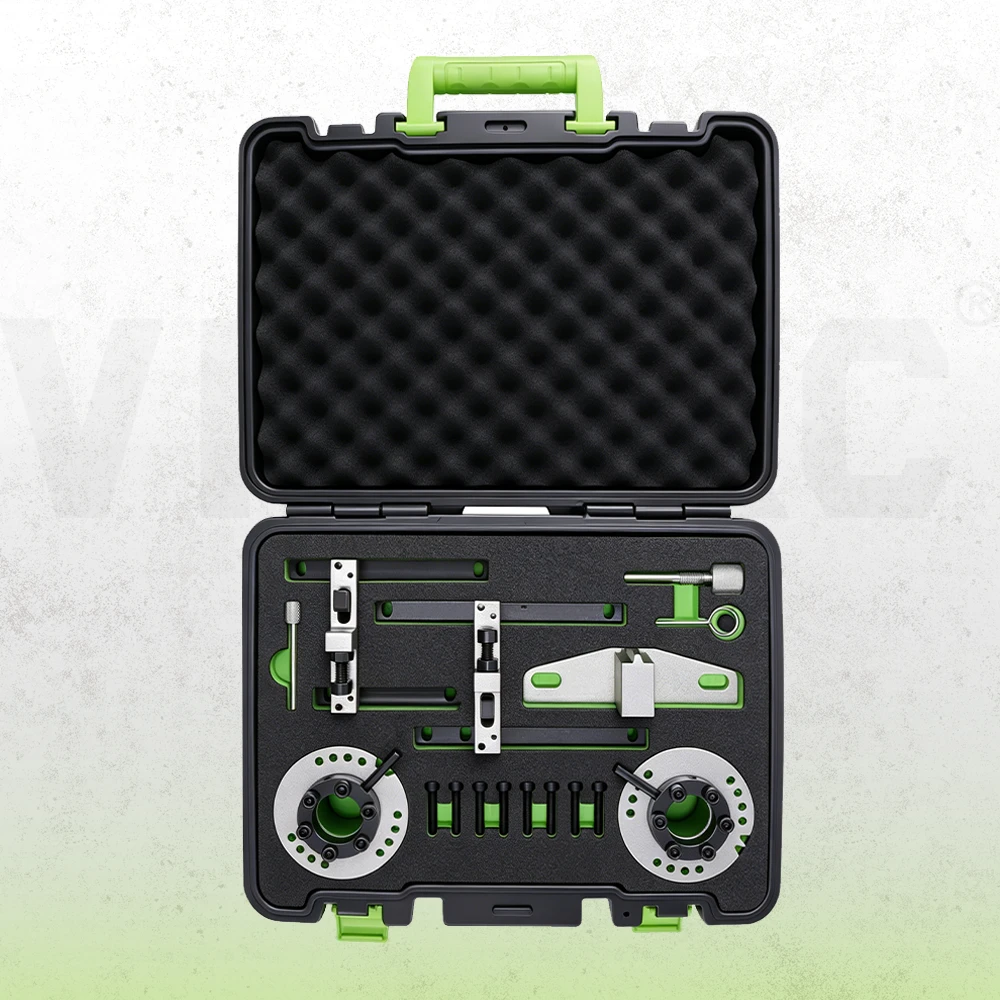 VT13104 · Ford 1.0 EcoBoost Timing Tool KitFor buyers evaluating belt timing service on selected Ford 1.0 EcoBoost engines. Confirm the engine code, market and repair scope before ordering. Check engine code, timing drive and the locking tools specified for the job before ordering.
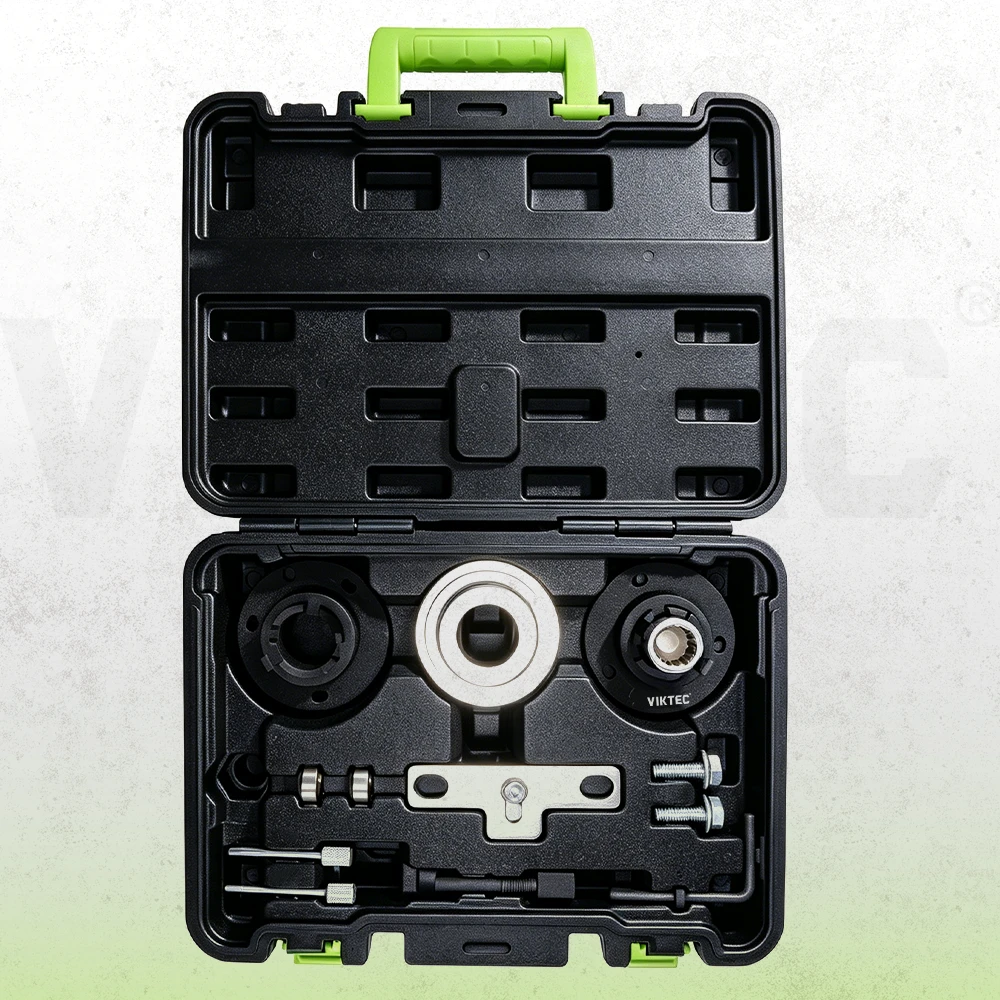 VT18743 · Ford 1.0L EcoBoost Chain Engine Timing Tool SetUse VT18743 to set camshaft and crankshaft timing on selected Ford 1.0L EcoBoost engines. Before ordering, confirm the timing chain and engine code (examples: B3DA, B7DA).